
My Love Letter to Nigerian Fashion
I can still remember the days when “African Fashion” meant the clothes my grandma’s tailor used to make for me and my sister, Keji, the trips to “Molly’s,” my aunty’s lace shop in Sura, and the oversized Ankara I would borrow from my mother’s closet to showcase Nigeria during “Cultural Day” at school. I hated when someone would visit from Nigeria and pull out outfits I didn’t get to design, that somehow always looked better on Keji. I’d sneak off to my room that housed suitcases I was unfamiliar with and cry for exactly one minute so no one would notice and call me dramatic because “it’s just a dress.” I knew even back then, it’s never just a dress. It’s the way I showed up in the world. It’s the way I’m perceived. My outfit speaks first. It was my first impression.

Then I fell in love with my mom’s sewing machine and a pair of scissors and realized I didn’t have to accept everything I was given. It could merely become a suggestion. On days I definitely should’ve been doing my homework, I would pull out old Ankara from the attic and start chopping and screwing. 86% of it looked a mess. But that 14%? That 14% was my battery pack to keep going.
As much as we aren’t supposed to care about outside validation, the first time I posted an outfit on Instagram and everyone was gassing my head up, I knew I had struck gold. Senior year of high school, there were very few days where I wouldn’t wear Ankara, Lace, or Adire. When I ran out of options in my closet, I “borrowed” (stole) from everyone in the house. The pants from my dad’s trad sets became my go-to high-waisted trousers. I wore them until they ripped (thick thighs), then patched them up and continued. I wonder if he ever noticed he only had shirts left in his closet.
We grew older. And so did our relationship with fashion. Gone were the days of just accepting whatever was handed to us. We started choosing. Curating. Taking screenshots from Tumblr and Pinterest to send to our tailors. Sometimes they got it right. Sometimes we wore the disaster anyway. But the point is: we cared. We were shaping a style language of our own.
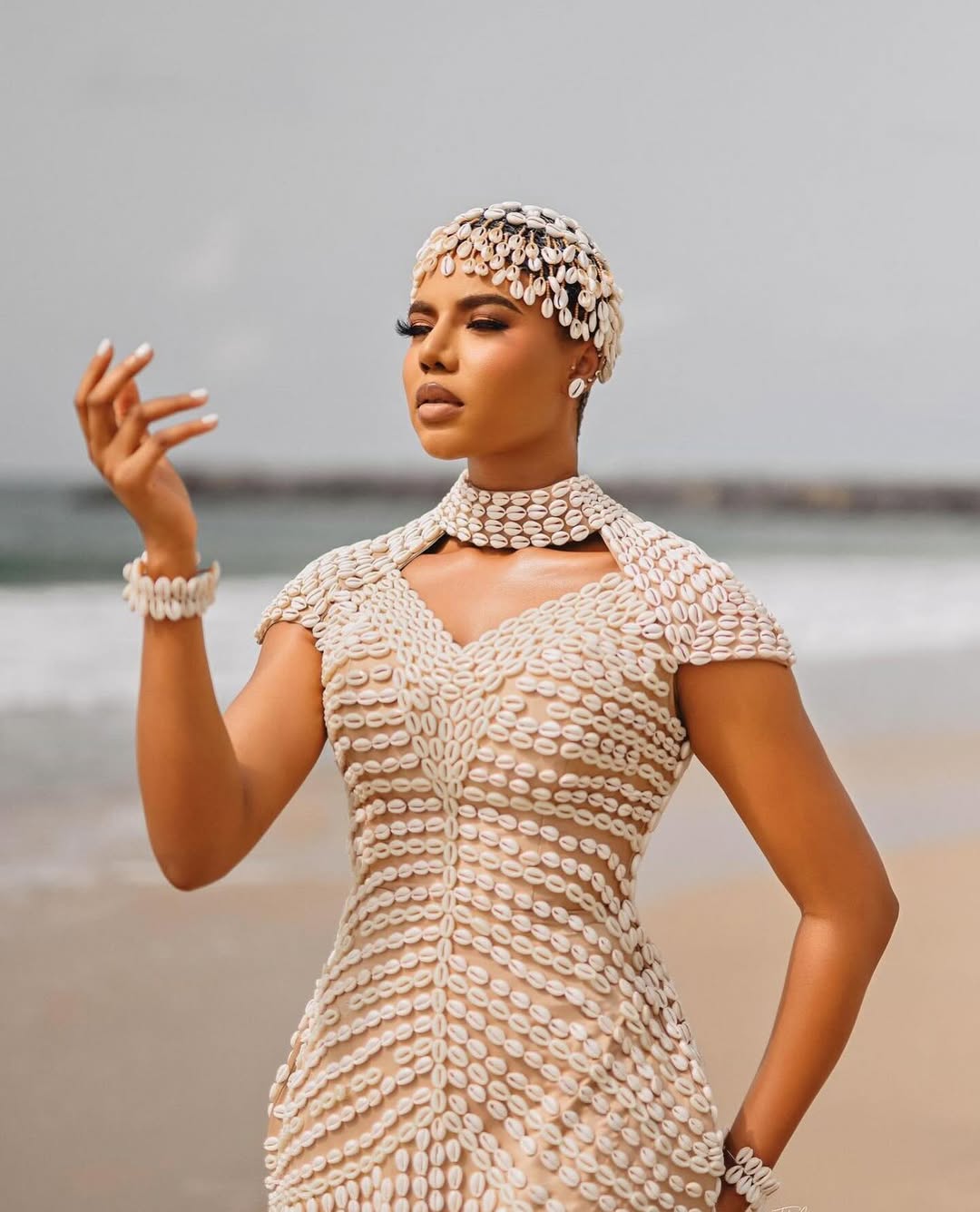
Then we started discovering Nigerian designers. Not just the ones our mums wore to weddings, but the ones pushing boundaries. Designers who understood both where we came from and where we wanted to go. Designers who translated our identities into silhouettes. Our stories into seams. Our roots into runways.
From “make it work” to “make it art.”, Nigerian fashion has evolved just like we have. And now that the world is finally paying attention, I feel a responsibility to document what’s happening. To celebrate it, challenge it, and archive it with care.
Sue Monk Kidd wrote: “Stories have to be told or they die, and when they die, we can't remember who we are or why we're here.”
The world is watching. The curtains have been drawn. It’s showtime.

Comments